

BtcTurk has a claim almost no other exchange in this list can make: it opened in 2013, before Bitcoin was mainstream anywhere, and it's still Turkey's most-used platform for buying crypto with lira today. That kind of longevity usually signals trust. In BtcTurk's case, the full picture is more complicated — because alongside that long history sits a pattern of security incidents that's hard to ignore, including one in early 2026 that pulled tens of millions of dollars out of the platform's hot wallets. Both things are true at once, and a fair review has to hold them together rather than picking the flattering half.
What BtcTurk actually does
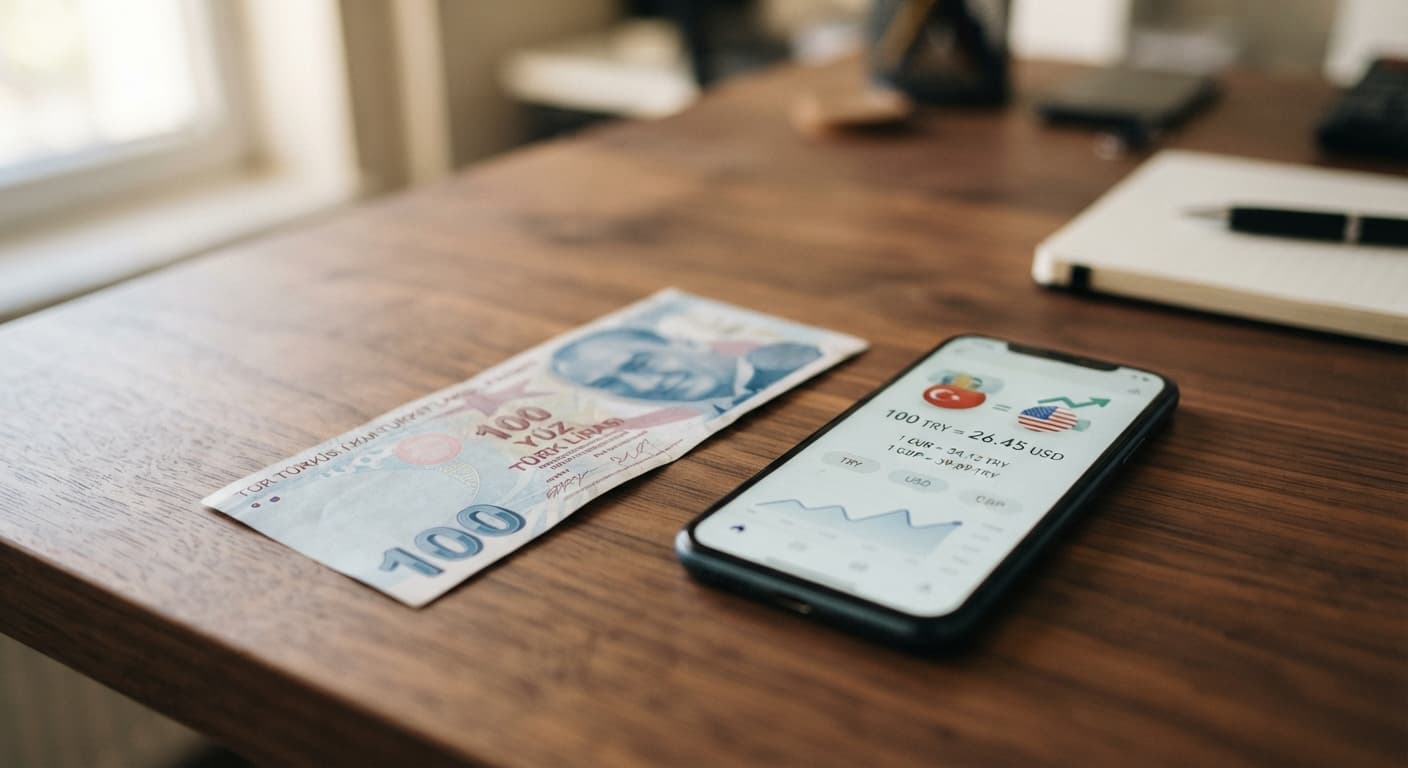
BtcTurk (also styled BtcTurk Pro for its advanced trading interface) is a spot-only exchange — there's no futures or margin trading here, which narrows its audience by design but also removes a whole category of leverage-driven risk that trips up traders on other platforms. It lists somewhere between 60 and 100+ cryptocurrencies across 260+ pairs, with native Turkish lira integration through bank transfer, FAST, Havale, and EFT rails that make it the default on-ramp for Turkish crypto buyers who don't want to route through USDT first.
BtcTurk appears on Turkey's Capital Markets Board (CMB) approved operating list alongside Binance TR, Bybit Türkiye, and OKX TR — a meaningful distinction now that unauthorized platforms have been blocked in the country since mid-2025. For Turkish users specifically, that regulatory standing narrows the field of legitimate options considerably, and BtcTurk sits inside it.
Fees: reasonable, if a little inconsistent across sources
| Fee type | Commonly cited range | Notes |
|---|---|---|
| TRY pairs, maker | 0.10%–0.20% | Tiered by 30-day volume |
| TRY pairs, taker | 0.15%–0.30% | Higher end for low-volume accounts |
| Crypto/crypto pairs | 0.08%–0.01% | Declines sharply at high volume |
| High-volume tier | As low as 0.01%/0.04% | Per BtcTurk's own published eight-tier table |
| TRY deposits/withdrawals | Minimal or waived | Varies by amount and banking partner |
The fee schedule places BtcTurk in the same rough neighborhood as Binance's base rates — not the cheapest in the industry, but not padded either. For Turkish users, the bigger value isn't the headline percentage so much as avoiding the conversion friction of routing lira through a stablecoin first, which is where a lot of the effective savings actually shows up.
The security record, stated plainly
BtcTurk's own security claims read well on paper: roughly 97% of Bitcoin holdings in multi-signature cold storage, two-factor authentication, encrypted user data, and withdrawal whitelisting. Independent server- and user-security scoring has, at times, rated BtcTurk quite favorably on pure technical infrastructure.
But the operational history tells a more cautious story. BtcTurk has experienced multiple security incidents over its lifespan, and in early 2026 it suffered a breach that drained an estimated $48 million from hot wallets — a serious figure, and one that drew renewed scrutiny to the gap between the exchange's stated protections and what's actually held up under attack. Independent investigations following the incident specifically flagged BtcTurk as a lower-scoring exchange on technical safeguards relative to major global peers at that point. There's also no published proof-of-reserves mechanism, meaning users can't independently verify that customer balances are fully backed at any given moment.
To BtcTurk's credit, it has reportedly covered customer balances through its security incidents rather than leaving users to absorb losses — which matters a great deal in practice, even if it doesn't erase the underlying pattern. Still, "covered losses after the fact, more than once" is a materially different promise than "hasn't had losses to cover," and it's worth being honest with yourself about which of those two things you're actually relying on.
A practical read on where it fits
- Reasonable as a lira gateway: fast TRY on/off-ramps and CMB-approved standing make it the practical default for buying and cashing out in Turkey
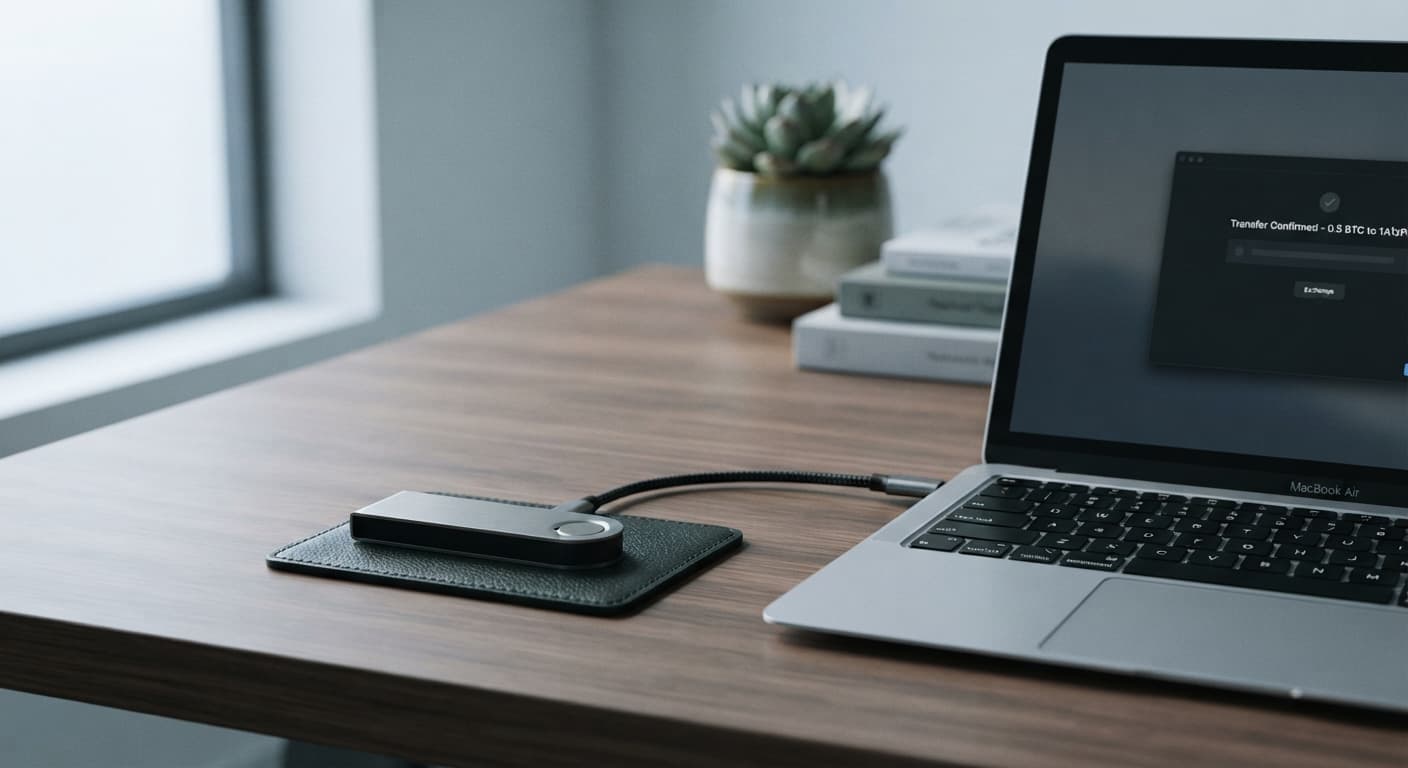
- Less reasonable as long-term cold storage: given the incident history, holding significant balances on the exchange rather than moving them to self-custody carries real, demonstrated risk — not theoretical risk
- Not built for leverage traders: the spot-only design means anyone wanting futures or margin will need a second platform regardless
How it stacks up regionally
| Exchange | TRY native | CMB approved | Security incidents |
|---|---|---|---|
| BtcTurk | Yes | Yes | Multiple, including a 2026 breach |
| Binance TR | Partial (via P2P/local rails) | Yes | None publicized locally |
| Bybit Türkiye | Partial | Yes | None publicized locally |
This isn't a reason to write BtcTurk off outright — it remains, by most local accounts, the most convenient lira-native option — but it's a genuine point of differentiation worth weighing against the convenience.
Frequently asked questions
Has BtcTurk been hacked? Yes, on more than one occasion, most notably a breach in early 2026 involving an estimated $48 million taken from hot wallets. BtcTurk has stated it covered affected customer balances.
Does BtcTurk offer futures or margin trading? No — it's a spot-only exchange by design, which removes leverage-related risk but also limits it for traders who want those tools.
Is BtcTurk legally licensed in Turkey? It appears on the CMB's list of exchanges authorized to operate in Turkey, alongside Binance TR, Bybit Türkiye, and OKX TR.
Are BtcTurk's fees competitive? Moderately — roughly in line with Binance's base rates, higher than some newer exchanges, but with meaningfully lower crypto-to-crypto fees at high trading volume.
Should I keep large crypto holdings on BtcTurk? Given the repeated security incidents and the absence of published proof-of-reserves, most cautious guidance — including from independent Turkish market reviewers — points toward using it for trading and TRY conversion rather than long-term storage, with larger holdings moved to self-custody.
The honest trade-off here
BtcTurk's position in Turkey's crypto market isn't really in question — it's the oldest, most TRY-native, most officially sanctioned option most Turkish traders will encounter, and that convenience is real. What's also real is a security track record that's been tested more than once and hasn't always held, most recently at real financial cost. Neither fact cancels the other out. The sensible approach, echoed by more than one independent reviewer of Turkey's market, is to treat BtcTurk as a reliable lira on-ramp and exit point, and to treat self-custody as the place where anything you're not actively trading actually belongs.
Article by Wes Ibarra, who weighs an exchange's marketing claims against its actual incident history before calling either one trustworthy.