
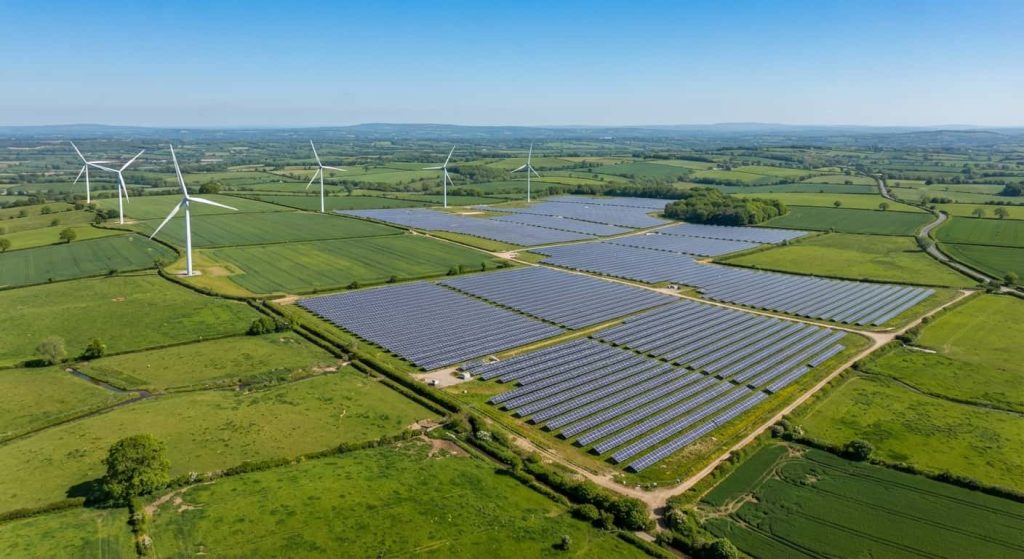
"Blockchain will fix climate change" has been a slide in every crypto conference deck since roughly 2018. It's also, by itself, close to meaningless — blockchain is a database architecture, not a climate policy. The interesting question was never whether blockchain can help; it's which specific applications survive contact with the actual problems they were built to solve, and which ones quietly become abandoned GitHub repos with a nice whitepaper attached.
We've covered two of the clearest case studies already: Ethereum's proof-of-stake transition, which cut the network's energy draw by over 99% and held up under repeated independent audits, and the Toucan Protocol/KlimaDAO carbon-tokenization experiment, which raised real money and delivered a token trading at a fraction of a cent. Both are real data points. Neither is the whole picture. Here's what the broader landscape actually looks like once you sort the working parts from the pitch decks.
The four categories that actually matter
Most "blockchain for climate" coverage lumps everything into one undifferentiated pile. That's a mistake, because these are structurally different problems with different track records.
| Category | What it's trying to solve | Current state |
|---|---|---|
| Consensus-level energy use | How much electricity the blockchain itself burns | Solved for most major chains post-2022; PoW holdouts (Bitcoin) remain the exception |
| Carbon credit tokenization | Making offset markets transparent and liquid | Structurally troubled — see Toucan/KlimaDAO |
| Renewable energy certificates & peer-to-peer trading | Verifying and trading the origin of clean electricity | Growing, mostly enterprise/utility-led |
| Environmental data (MRV, DePIN sensors) | Getting trustworthy, tamper-resistant measurement of real-world conditions | The most promising and least hyped category right now |
Where blockchain genuinely earns its keep: measurement, not tokens
The strongest current use case isn't a token at all — it's using blockchain as a tamper-resistant ledger for measurement, reporting, and verification (MRV) data. The core insight is simple: climate accounting has always had a trust problem, because the party reporting emissions reductions is often the same party financially motivated to overstate them. A blockchain ledger doesn't fix the sensor — but it does make it much harder to quietly edit the numbers after the fact.
This is showing up in a few concrete places:
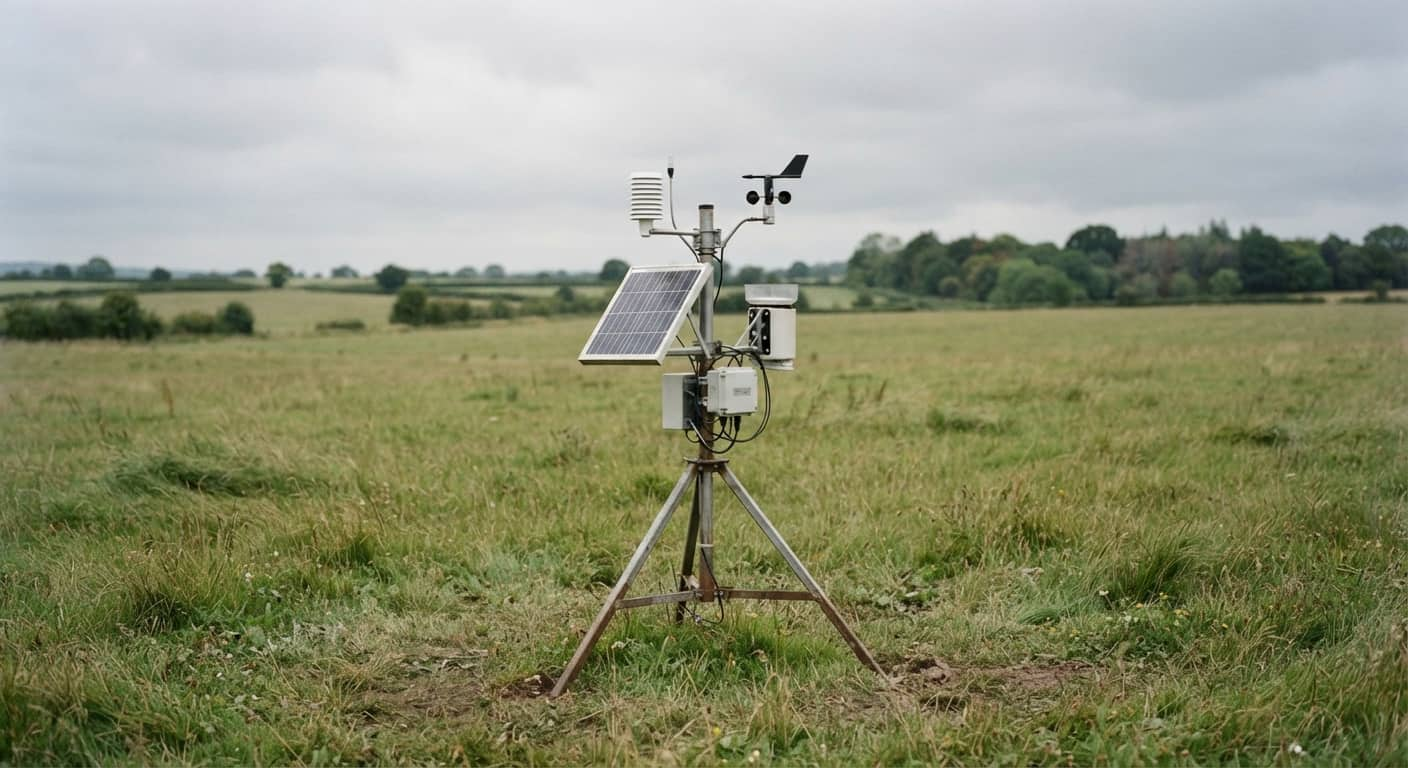
- Decentralized physical infrastructure networks (DePIN) are paying people and companies in tokens to deploy and maintain environmental sensors — air quality monitors, weather stations, methane detectors — with readings written directly to a blockchain. As of 2026, there are roughly 125 million LoRaWAN devices deployed globally feeding this kind of low-power sensor network, and platforms like Peaq report over 12,000 daily active machine devices, with environmental sensors and supply-chain trackers forming one of the largest device categories behind EV charging.
- Maritime and municipal compliance monitoring is a less flashy but genuinely useful niche — researchers have built blockchain-enabled frameworks for real-time pollution and environmental compliance monitoring in ports and cities, where the point isn't speculation, it's giving regulators data that hasn't been quietly adjusted between collection and reporting.
- Satellite-plus-sensor verification systems are pairing on-chain records with imagery and IoT data specifically to catch the kind of double-counting and fabricated baseline problems that have plagued the traditional carbon market for years.
The pattern worth noticing: the DePIN projects that are actually surviving are the ones with a paying customer on the other end — a municipality, an enterprise, a compliance requirement — rather than ones hoping a token's speculative value alone would fund sensor deployment indefinitely. That's a distinction the failed 2021–2022 carbon-tokenization wave mostly ignored, and it's the difference between infrastructure and a fundraising mechanism dressed up as infrastructure.
Renewable energy certificates: the quieter, more boring success story
Renewable Energy Certificates (RECs) are the proof that a given unit of electricity actually came from a wind farm or solar array rather than a coal plant. The traditional REC market has real fraud and double-counting problems — a certificate can, in practice, get claimed by more than one buyer if the paper trail isn't airtight.
Putting REC issuance and retirement on a blockchain addresses this in a fairly unglamorous but effective way: one certificate, one wallet, one retirement, publicly checkable. Utilities and enterprise blockchain vendors are increasingly building on-chain reporting tools specifically to comply with regulatory disclosure regimes like the EU's Corporate Sustainability Reporting Directive — which is a telling detail, because it means the driver here isn't crypto-market enthusiasm, it's a compliance requirement that predates and outlives whatever the token markets are doing that week.
This is also where peer-to-peer energy trading experiments live — letting a household with rooftop solar sell excess power directly to a neighbor, settled instantly via smart contract instead of routing through a utility's billing cycle. It's a smaller, slower-moving story than carbon tokenization ever was, and that's arguably why it's holding up better: nobody built a $1 billion treasury around it in three months, so nobody had a $1 billion treasury to lose when the market cooled.
Supply chains: useful, but easy to overstate
Supply chain traceability — verifying that a raw material, a hydrogen shipment, or a piece of agricultural produce moved through its claimed path without substitution — is a legitimate blockchain use case that predates the climate angle entirely. Applied to green hydrogen or deforestation-linked commodities, it can genuinely tighten accountability: a blockchain-based deforestation certification system, for instance, has been used to help smallholder farmers prove their supply chains are clean, opening market access that would otherwise require expensive third-party audits.
The honest caveat: a blockchain ledger only records what gets entered into it. If the sensor at the start of the chain is miscalibrated or the person logging the hydrogen shipment mislabels it, the blockchain will faithfully and immutably preserve that error forever. This is the same failure mode that let low-quality carbon credits flow into the BCT pool — the chain guarantees the record wasn't altered after the fact, not that the record was accurate to begin with. Any pitch that skips over this distinction is worth reading twice.
The skeptical read, applied consistently
Wes Ibarra has made a habit of testing "green blockchain" claims against their actual mechanics rather than their mission statements, and the pattern across these categories is fairly consistent: the applications working best in 2026 are the ones that added blockchain to an existing, already-functional process — energy certification, compliance reporting, sensor data logging — rather than the ones that tried to build an entirely new financial market on top of a problem (carbon offsetting) that already had well-documented trust issues before crypto ever touched it.
That's a useful filter for evaluating the next pitch that lands in your inbox: is this blockchain solving a verification problem for something that already works, or is it trying to bootstrap an entire new market via token incentives? The first category has a real track record. The second has KlimaDAO's treasury chart.
Where to actually watch next
A few things worth keeping an eye on rather than treating as settled:
- Whether registry-first carbon tokenization survives — projects now building tokenization agreements directly with registries like Puro.earth before bridging credits, instead of retiring first and asking forgiveness later, are the direct lesson learned from Toucan's collapse. Whether that model scales past pilot size is still open.
- Whether DePIN sensor economics work without subsidy — most environmental sensor networks are still propped up by token rewards rather than pure data-sale revenue. The ones with actual paying customers (municipal contracts, enterprise data buyers) are the ones worth watching for durability.
- Whether regulators start requiring this rather than merely tolerating it — the CSRD-driven on-chain reporting tools are an early signal that blockchain's most durable climate role might end up being compliance infrastructure nobody gets excited about, rather than the speculative markets that got all the attention in 2021.
None of that makes for as clean a headline as "blockchain will save the planet." It's a more accurate one.