
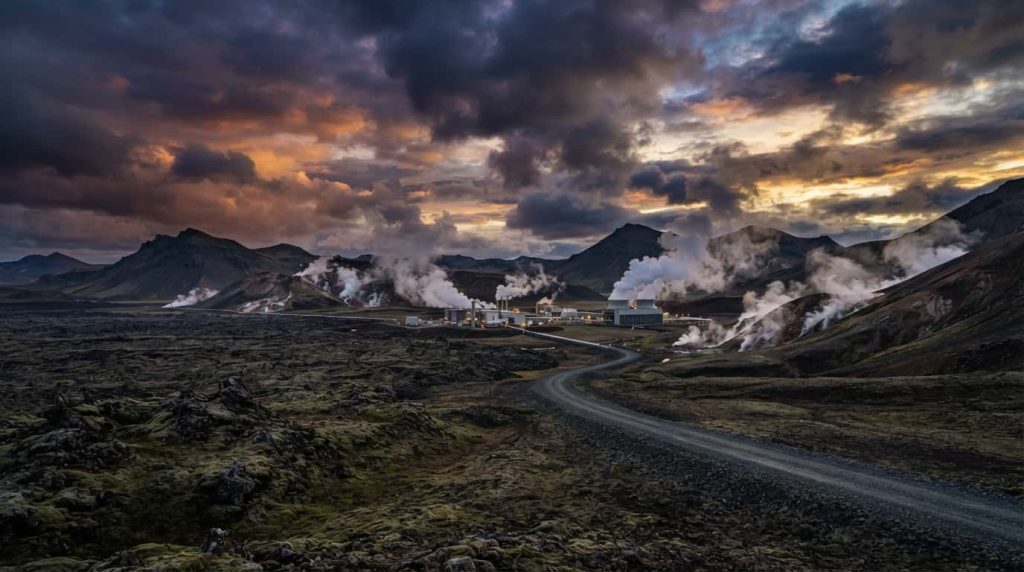
"Bitcoin mined with volcano power" is one of those headlines that does a lot of work in a short sentence — it sounds simultaneously futuristic and slightly absurd, which is probably why it's been recycled in crypto media for five years running. The underlying story is real. The scale implied by the headline usually isn't. Here's what's actually been built, what it produces, and what changed by 2026.
How this started
On June 6, 2021, El Salvador's Congress passed the Bitcoin Law, making it the first country to adopt Bitcoin as legal tender. Hours after the vote, President Nayib Bukele announced on Twitter that he'd instructed LaGeo — the state-owned geothermal energy company — to design a plan offering Bitcoin mining facilities powered by "very cheap, 100% clean, 100% renewable, 0 emissions energy from our volcanos."
The appeal was straightforward: Bitcoin mining was (and still is) drawing criticism over its energy footprint, since proof-of-work mining rewards raw computational power, and most of the world's mining hardware runs on whatever electricity is cheapest — which, in practice, has often meant coal. El Salvador's pitch flipped that: use geothermal heat that the country already has in abundance, sitting mostly untapped, and route it directly into mining rigs instead of the grid.
What actually got built
By late 2021, the government had installed roughly 300 mining rigs at the Berlin geothermal plant, drawing power generated from heat beneath the Tecapa volcano. The numbers, laid out plainly:
| Metric | Figure |
|---|---|
| Berlin geothermal plant total output | 102 MW |
| Power allocated to Bitcoin mining | 1.5 MW |
| Share of plant output used for mining | ~1.5% |
| Mining rigs installed (2021) | ~300 |
| El Salvador's national geothermal capacity | ~204 MW, with ~110 MW more in development |
That 1.5% figure is worth sitting with, because it's the gap between the headline and the operation. This was never a national mining grid running on lava — it was a modest pilot drawing a sliver of one plant's output. El Salvador has 23 volcanoes and, according to Bukele, 170 named volcanic sites total; only a small fraction of the country's geothermal potential has ever been directed at mining.
What it produced
The pilot did generate real, verifiable Bitcoin. As of the most recent public disclosure, the operation had mined roughly 474 BTC since 2021 — worth around $29–46 million depending on the price at time of reporting, since Bitcoin's own volatility makes "value mined" a moving target more than a fixed number. That mined BTC sits within El Salvador's broader national reserve, which the government's Bitcoin Office has reported at around 5,750 BTC total (roughly $354–375 million at various 2024–2025 valuations), most of it acquired through direct purchases rather than mining.
So: the geothermal mining program is a real, ongoing, verifiable operation — and it's a small fraction of the country's total Bitcoin holdings, not the primary source of them. Conflating "El Salvador mines Bitcoin with volcanoes" with "El Salvador's Bitcoin reserve comes from volcanoes" is a common oversimplification worth correcting.
The 2024–2026 expansion: bonds, a new volcano, and an AI pivot
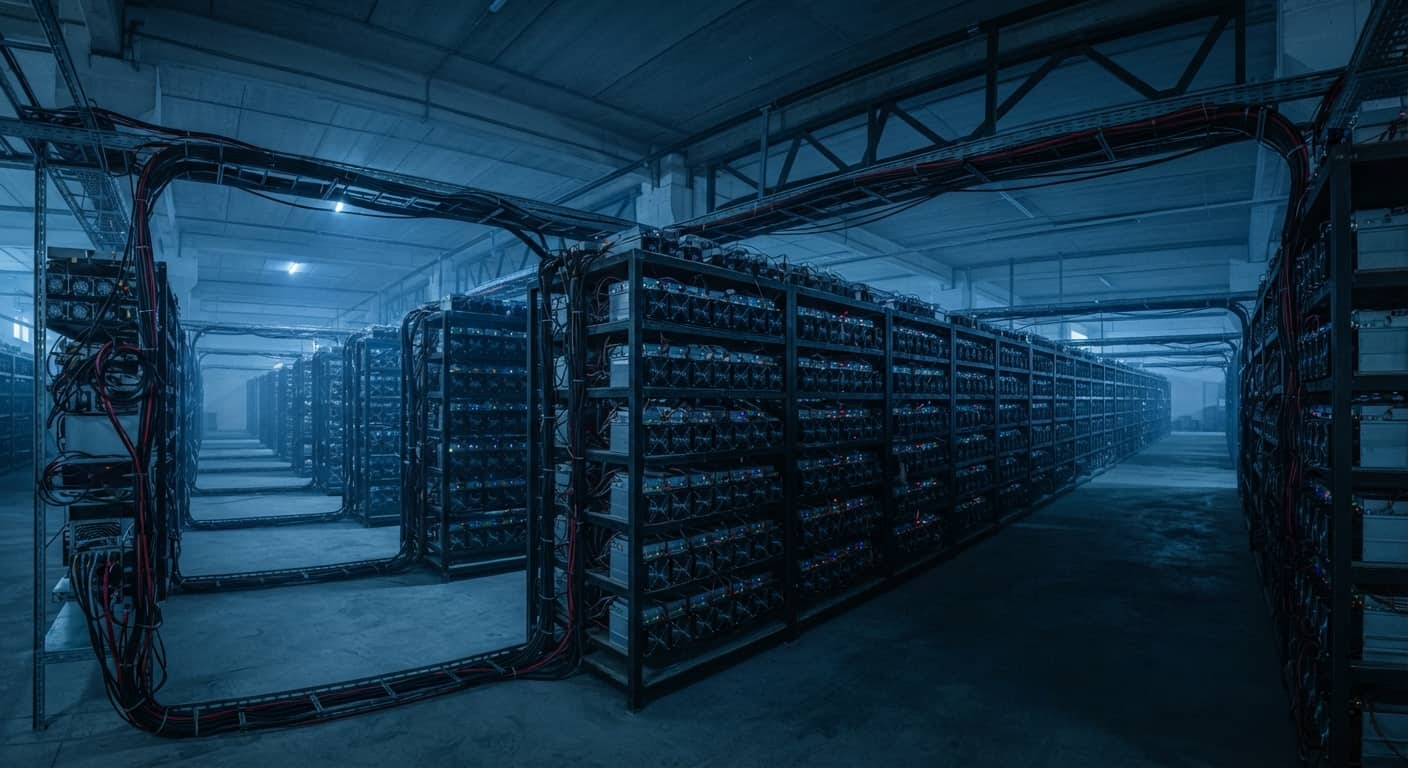
The project didn't stay frozen at its 2021 pilot scale. In late 2024, El Salvador finally issued its long-delayed "Volcano Bonds" (sometimes called Eruption Bonds) after years of regulatory back-and-forth. The proceeds have gone toward expanding geothermal capacity at the Conchagua volcano site, and toward the Lava Pool mining initiative — a partnership between the government, Volcano Energy, and mining infrastructure firm Luxor Technology, structured with a reported 23% share of mining profits routed back into maintaining the geothermal installations themselves.
The more interesting shift by 2026 isn't about Bitcoin at all. El Salvador has started routing the same cheap geothermal infrastructure originally built for mining toward AI data centers, positioning the buildout as a broader energy and tech strategy rather than a single-purpose crypto play. That's arguably the more defensible long-term bet: geothermal capacity is a real, durable national asset regardless of what's computing on top of it, and diversifying beyond a single volatile asset (Bitcoin) toward a mix of Bitcoin mining and AI compute demand reduces the project's dependence on crypto prices specifically.
Where the skepticism should actually land
Geothermal power for computing load is a genuinely sound idea on its own terms — it's baseload, it's low-emission at the point of generation, and El Salvador has more of it than it currently uses. But a few caveats get dropped in most coverage of this story:
- Geographic limits are real. Geothermal-powered mining only works where geothermal heat is accessible near the surface — volcanic regions and tectonic boundaries. It's not a template most other countries can copy regardless of political will, because most countries don't sit on this kind of geology.
- Environmental risk isn't automatically zero. Energy analysts have flagged that large-scale geothermal drilling near populated areas carries its own risks — including the potential for drilling byproducts to reach nearby water sources — that need active management, not just a "0 emissions" tagline.
- Scale claims have consistently outpaced delivery. The original 2021 announcement floated up to 95 MW of dedicated geothermal capacity for mining; the actual deployment was 1.5 MW. That's not evidence of bad faith so much as a pattern worth remembering the next time a similarly ambitious number gets announced — plans and installed capacity are two different things, and the gap between them has historically been large here.
None of that erases what's real: a functioning, low-emission mining operation that's expanded over five years, financed through actual bond issuance rather than vaporware, now diversifying into AI infrastructure built on the same energy base. It's a legitimate case study in using stranded renewable capacity productively. It's just a smaller and slower-moving one than "Bitcoin mined by volcanoes" tends to suggest on first read — which, as Wes Ibarra has noted in his coverage of climate-linked crypto markets, is close to the median outcome for this category of story: the mechanism is usually real, and the scale is usually the part that got rounded up. More of his reporting on where blockchain infrastructure claims hold up against the underlying data lives on his author page.